Currently Empty: R0.00


Alcohol: Should I Cut Down or Quit?
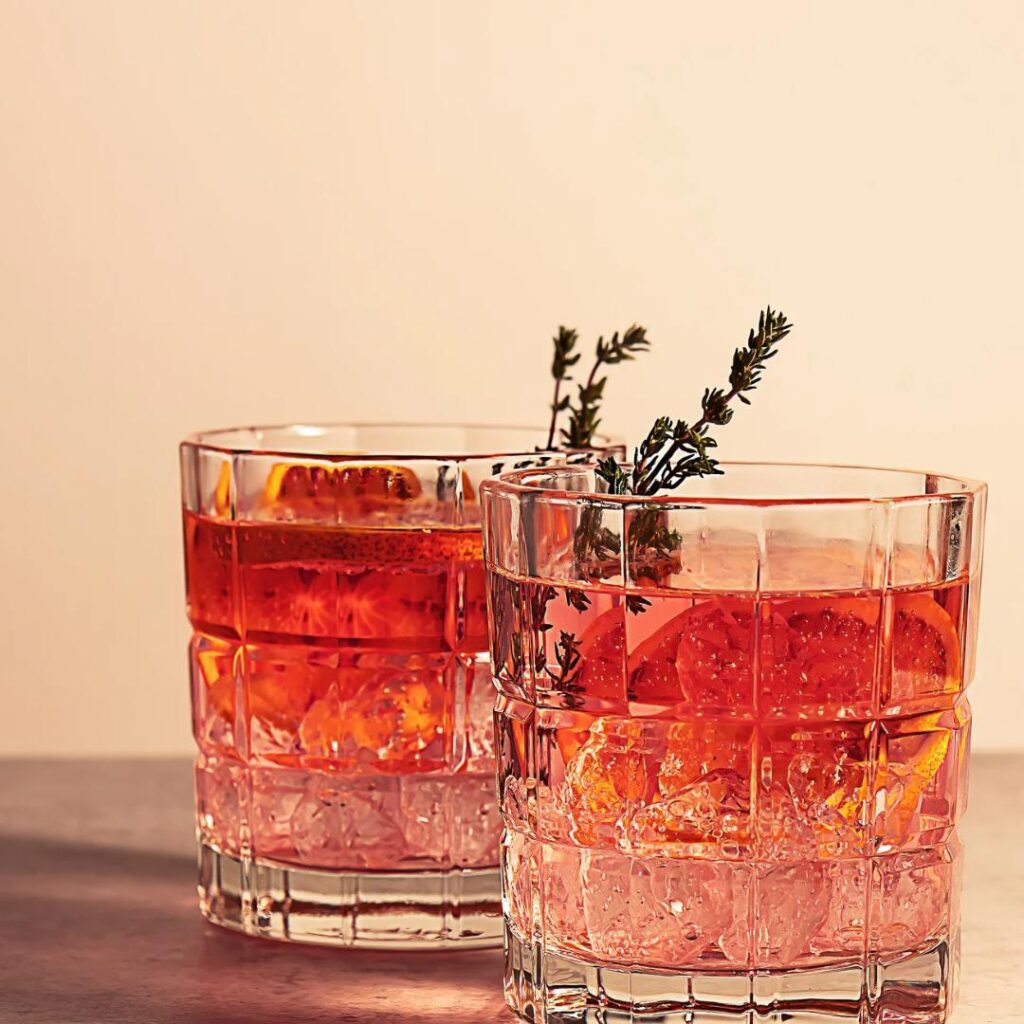
A drink can be part of a celebration or an end-of-day routine. It can also become a way of coping with stress that is hard to change. If you are wondering about your drinking, consider its effects on your sleep, mood, health, spending and relationships. You do not have to wait for a crisis to ask for support.
First, consider withdrawal safety
If you may be physically dependent on alcohol, get medical advice before stopping suddenly or substantially reducing your intake. Withdrawal can be dangerous. Shaking, sweating, nausea or anxiety when a drink wears off, or needing a morning drink to feel better, are reasons to speak promptly with a doctor.
Seizures, hallucinations or severe shaking after reducing or stopping alcohol need emergency medical help. This article is not a home withdrawal plan. A clinician can assess whether you need supervised care or medication and arrange continuing support.
Is any alcoholic drink a health treatment?
No type of alcoholic drink should be recommended to treat or prevent disease. Claims that beer prevents kidney stones, vodka helps inflammatory bowel disease, or tequila fights dementia are not a sound basis for health advice. Do not start drinking for supposed health benefits.
The World Health Organization explains that alcohol consumption is not risk-free, including at low levels. Alcohol increases the risk of several cancers and contributes to liver disease, injuries and other harms. Risk depends on the amount, pattern of drinking and individual circumstances. Observational reports of longer life among some drinkers do not prove that alcohol caused that benefit.
What might improve when you drink less?
Reducing alcohol can mean better sleep, fewer difficult mornings and less spending. Some people notice improvements in mood, energy or weight management. Over time, drinking less can lower the risk of alcohol-related harm. Benefits vary; reducing alcohol does not guarantee weight loss or resolve an existing medical condition.
If alcohol has become a way to manage anxiety, low mood or poor sleep, discuss those concerns as well. Professional support can help with both drinking and the reasons behind it.
Practical steps for changing your routine
If you are not alcohol-dependent and have no withdrawal symptoms, these ideas may help. If dependence is possible, agree on a safe plan with a clinician first.
- Notice your pattern. Record when, how much and why you drink. Serving size and alcohol strength both matter; a glass or shot is not a universal measure.
- Plan ahead. Choose a realistic goal and budget. Smaller servings and lower-alcohol or alcohol-free alternatives can help reduce intake.
- Change the occasion. Arrange a walk, coffee or another activity that does not revolve around drinking.
- Eat and stay hydrated. Alternate alcohol with water or a non-alcoholic drink. Food and water do not cancel alcohol’s effects or make it safe to drive.
- Ask for support. Tell someone you trust, and contact a doctor or local alcohol support service if cutting down feels difficult.
Do not drive or operate machinery after drinking. Avoid alcohol during pregnancy, and check with your doctor or pharmacist if you take medicines or have a condition that alcohol could worsen. Drinking every day is not a health recommendation, and concentrating drinks into a binge adds risk.
Can electrolytes or supplements prevent a hangover?
Hangovers involve more than dehydration: disrupted sleep, stomach irritation and alcohol metabolism also contribute. NIAAA reports that added electrolytes have not been shown to reduce hangover severity. REVIVE should therefore not be presented as preventing or curing a hangover. Water may ease thirst, but it does not sober you up. Time is needed for recovery.
Rewind, milk thistle, calcium and magnesium should not be presented as removing alcohol from the body, protecting against alcohol-related harm or treating withdrawal. Nutritional needs during recovery should be assessed individually by a healthcare professional.
Rewind’s formulation contains laboratory-confirmed nanoparticle sized clinoptilolite. Rewind is not intended to diagnose, treat, cure or prevent disease. This formulation fact does not establish an alcohol-removal or hangover benefit.
Choose support that fits your situation
Start with your GP or local clinic and be open about your drinking and any withdrawal symptoms. Ask about counselling, treatment and community support options. Friends and family can help, but they may not be enough on their own. Needing help is a reason to seek care, not a personal failure.
For wider lifestyle ideas, see small wellness habits that fit everyday life. These habits complement appropriate care; they do not replace alcohol treatment.
Sources and further reading
- WHO: Alcohol and health risks.
- NHS: Alcohol support and withdrawal safety (UK service contacts apply to the UK).
- NHS: Tips on cutting down.
- NIAAA: Hangovers and the limits of proposed remedies.
General education, not a diagnosis or an individual treatment plan.